What Can Contaminate the Groundwater?
What Can Contaminate the Groundwater?
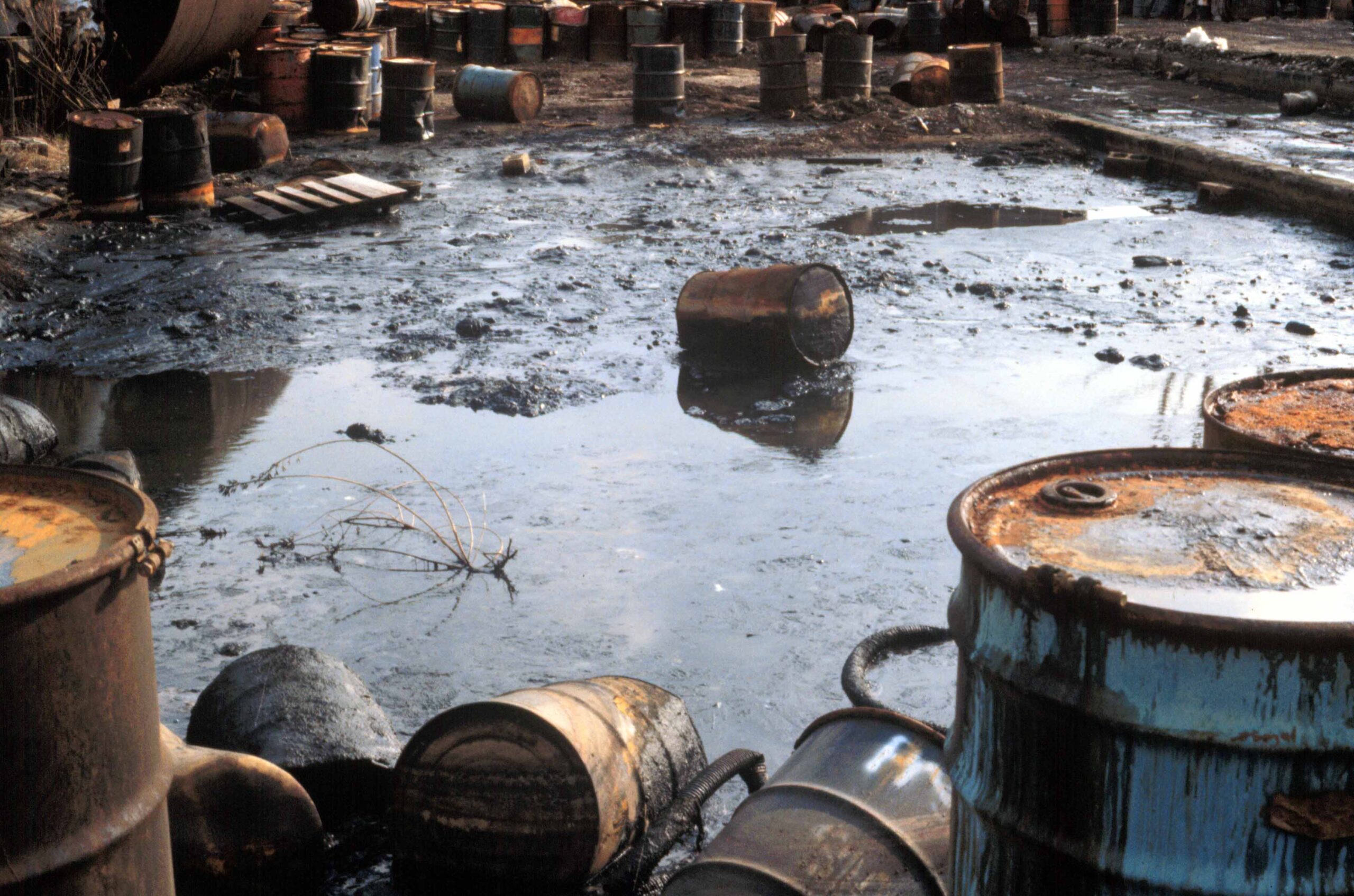
Due to the fact that most of the groundwater is only about 20 feet down from the surface in the aquifer, it is very susceptible to contamination. There are many ways that anyone – from large companies to small businesses and homeowners – can pollute the aquifer. Click on any pollutant below to learn more about how this happens and why it can be dangerous.
Learn More
Spills, Releases, Illegal Dumpings
Spills and releases are extremely prone to getting into the water supply.
Improper storage of petroleum, chemicals, and hazardous waste
Exposure to rain, snow, and ice may result in the deterioration of storage containers; failure to properly close and seal containers may also result in releases which may leach into groundwater.
Improper disposal of petroleum, chemicals, or hazardous waste
Improper disposal of petroleum, chemicals, or hazardous waste at disposal sites not designed to handle the material has historically been a frequent cause of groundwater contamination.
Large Quantity Disposal of Used Motor Oil
Permafix of Dayton 937-268-6501
Ultra Services in Kentucky (859) 647-2112 (Denise)
Universal refining in Florence, Ky (859) 647-9192 (Debbie) “No charge” possibility
Improperly Managed Landfills
Household hazardous wastes and other materials may leach out of landfill units into surrounding soils and groundwater.
Improperly Maintained Septic Systems
Failing septic systems can lead to bacterial contamination of local groundwater supplies; improper disposal of household chemicals into septic systems may also result in a breakdown of the septic system and contamination of surrounding ground water supplies.
Improperly Maintained Private Wells
Cracks in the well casing or concrete pad surrounding the well can allow surface contaminants to flow directly into an aquifer.
Underground Storage Tanks (UST)
Leaking underground storage tanks are the most common source of groundwater contamination. USTs are used mostly for petroleum storage but may also be used to store chemicals and hazardous waste materials.
Abandoned Gravel Pits
Gravel mining exposes groundwater to surface elements. Once the mining operation ceases, the abandoned gravel pits frequently become illegal dumpsites for a wide variety of materials, including hazardous materials.
Excessive use of Fertilizers or Pesticides
Over-application of pesticides and fertilizers to residential lawns, landscaped properties, golf courses, and crops may result in groundwater contamination- if too much is applied, the excess will seep into surrounding soils and groundwater.
Improper dumping of hazardous household waste or toxic substance
Dumping of toxic cleaning chemicals or any cleaners or fluids for cars that are on the ground and can seep through soil and contaminate the groundwater. Dumping or littering into wells is also dangerous, as it is a direct conduit to the aquifer.
Pharmaceuticals in the Groundwater
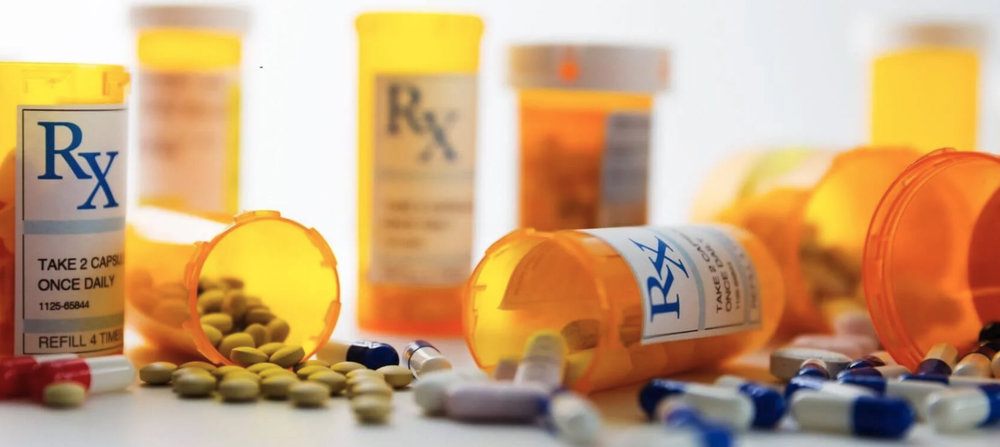
Pharmaceuticals are prescription drugs, over the counter medicines and vetinary medicines. It’s important to keep them out of the groundwater.
Do we know if pharmaceuticals are in our water?
Although the buzz about these medicines being in our water may be getting louder these days, Greater Cincinnati Water Works (GCWW) has tested our drinking water sources for quite some time. Yes, a few pharmaceuticals, such as Ibuprofen, have been found in the drinking water at “trace amounts”. This amount is comparable to the amount of a grain of salt in an Olympic-sized swimming pool. Caffeine has also been detected, but the amount is also very insignificant.
Though the amount is small, we are still in the process of determining the effects of the pharmaceuticals on the wildlife and fish that use the waterways and whether these levels pose a threat to human health. Aquatic animals are sensitive to smaller levels of contamination, particularly in the development phase. There may be the risk of increased resistance to antibiotics in humans. Because there are so many different medications that come out every year there is no way to assess what the risks of long-term exposure to them would be. There is ongoing research to address these questions and future methods of removing the medicines from the water at our treatment plants. GCWW is proudly at the forefront of current water research and treatment. If you would like more information on what they do, you can log on to http://www.cincinnati-oh.gov/gcww/.
How do the pharmaceuticals get into the water?
There are two major ways:
- Runoff into waterways from animal feedlots and land application of organic materials.
- Through wastewater plants. Pharmaceuticals enter the plants through: 1) excretion in human urine and feces, and 2) from flushing unwanted pills down the toilet.

Wastewater plants are designed to handle our waste products, but not the medicines or personal care products that are flushed down with it. They pass through the plants and back into our waterways. They may be taken in by our drinking water plants, which cannot completely eradicate them. Therefore, as water consumers it is important to be as aware as possible to what we are putting into our sewage systems.
What can you do?
- Don’t flush prescriptions or substances down the toilet!! Unless the bottle advises otherwise, you should put unused or expired prescriptions in the trash. It is best to take them out of the vials and mix them with another substance, such as coffee grinds, and to place them in an empty can or container.
- Look into programs that will take back unused drugs and dispose of them for you. Butler County Department of Environmental Services has a program from June to September that accepts hazardous wastes. If you miss that program, you can call Environmental Enterprises at (513) 541-1823 to drop off your unwanted medicines.
- Get rid of your unwanted medications. Go to the DEA website to find year-round drop-off locations near you.
If you would like more information on pharmaceuticals or what has been found in the water, please follow these useful links:
- A website devoted to information about substances in the water systems.
http://www.nodrugsdownthedrain.org - Butler County Department of Environmental Resources
http://des.butlercountyohio.org/html/drinkingwater/Pharmaceuticals.cfm - American Water Works Association
www.awwa.org